Tunisia Works With Producers to Add Value to Branded Exports
Olive oil exporters in Tunisia hope to double exports of bottled olive oil in the next five years. The government plans to help by easing bureaucratic hurdles and promoting quality.
The Tunisian Ministry of Agriculture, Water Resources and Fisheries anticipates a significant boost to olive oil exports due to the digitalization of bureaucratic approvals and new product labels.
According to Minister Mohamed Fadhel Kraiem, producers and the government must prioritize packaging Tunisian olive oil with local labels to add value to oils destined for export by clearly identifying their origin.
The long-term market vision foresees Tunisia playing an increasingly important role in bottled, value-added and organic extra virgin olive oil on the international market.
The initiative comes on top of several other efforts focused in recent years on helping local farmers of all sizes invest in olive oil quality.
Since 2017, the Food and Agriculture Organization (FAO) of the United Nations and the European Bank for Reconstruction and Development (EBRD) have joined Tunisian authorities intending to make high-quality Tunisian olive oil recognizable on international markets.
See Also: A Pioneering Blind Sensory Panel in TunisiaLisa Paglietti, an FAO economist, recently emphasized how the initiative has shown that even small growers can become competitive and demonstrate a strong resilience to economic shocks, such as those brought by the COVID-19 pandemic.
“The long-term market vision foresees Tunisia playing an increasingly important role in bottled, value-added and organic extra virgin olive oil on the international market,” she said.
Tunisia is one of the two largest olive oil producers outside the European Union. The other is Turkey.
In the 2019/20 season, Tunisia’s olive oil yield reached a record-high 350,000 tons, while the estimates of the National Olive Oil Office (ONH) for the latest season foresee a drop to 140,000 tons. The International Olive Council estimates that the 2020 harvest in Tunisia reached 120,000 tons.
Despite the production drop, the country’s chamber of olive oil exporters said that bottled olive oil totals reached 27,000 tons in 2020. By 2025, local companies expect bottled olive oil exports to rise to 70,000 tons per year.
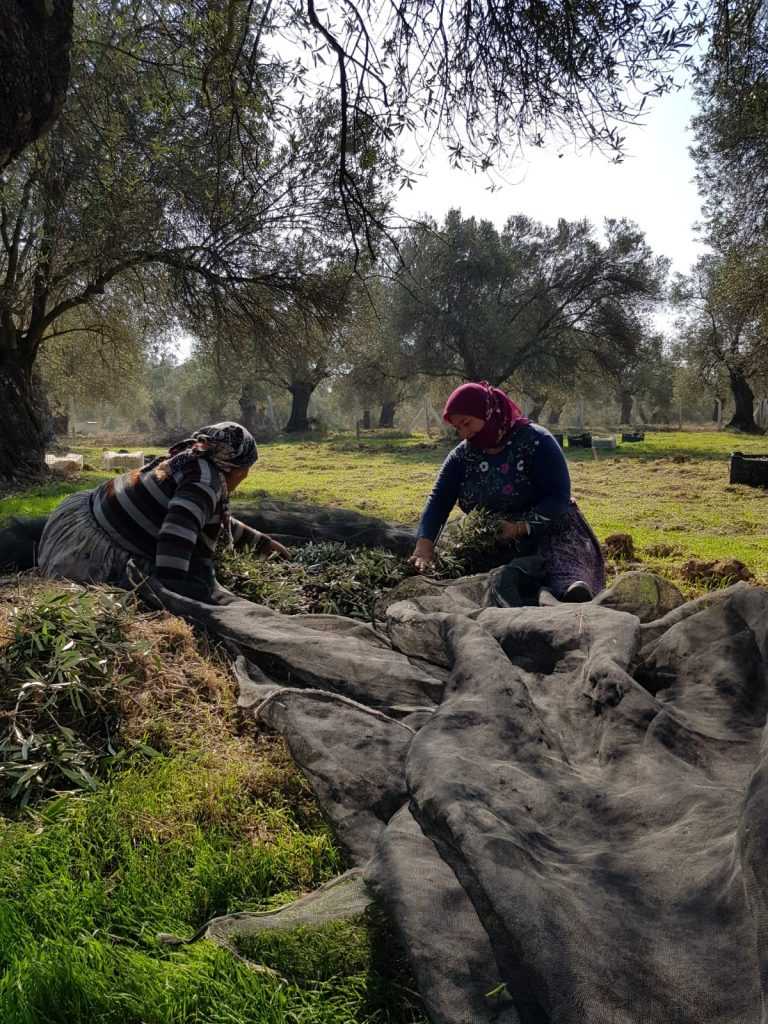
Nova Vera
Kraiem has also recommended both government officials and local producers push on with the digitalization of the exporting operations.
The first step, said the minister at a meeting with the ONH, will set up an electronic communication platform with the ministry for companies that need export authorizations.
The platform is part of a broader push by the Tunisian government known as Smart Gov 2020, the national plan for developing a more inclusive and accessible electronic administration.
During the meeting, Kraiem also stressed the relevance of the ongoing negotiations with the European Union to increase the Tunisian duty-free olive oil exports to the 27-nations block.
Under this agreement, the country currently exports 56,700 tons, but local authorities hope the quota will be raised to 100,000 tons. At the moment, no final decision has been reached on the matter.