



Albanian Olive Oil Exports Quadruple in First Quarter of 2023, Officials Say
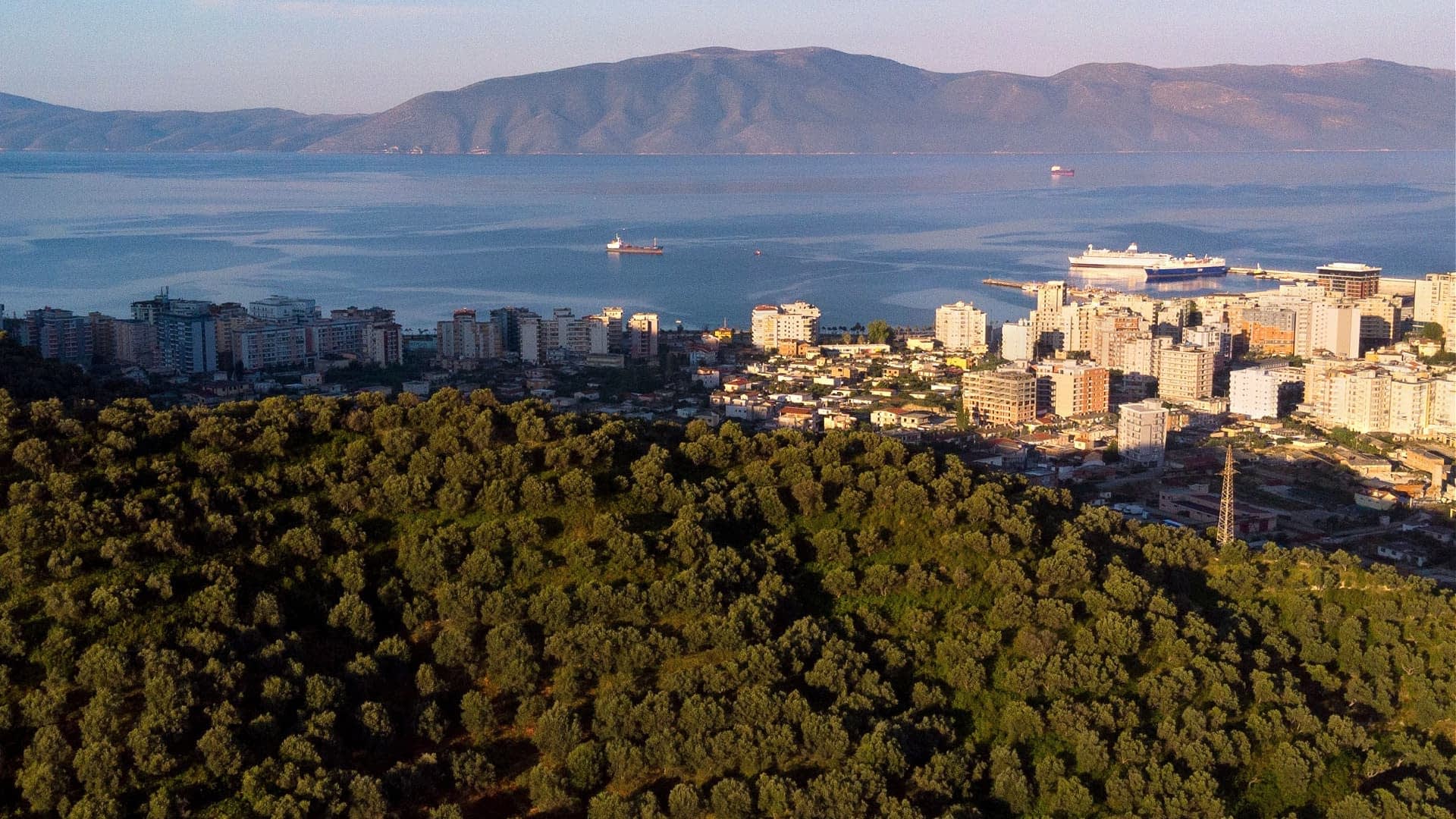

Albanian olive oil exports have quadrupled in the first four months of 2023 compared to last year, reaching 1,258 tons, due to drought-decimated harvests in the Mediterranean and record yields in Albania. Despite concerns of overproduction driving down prices, the government is considering subsidies and exploring new export opportunities to maintain the success of Albanian olive oil exports.
Albanian olive oil exports have quadrupled in the first four months of 2023 compared to last year, according to comments from the country’s deputy minister of agriculture reported by Euroactiv.
Arian Jaupllari said drought-decimated harvests across the Mediterranean basin and a record yield for Albania in the 2022/23 crop year had created the perfect storm for exporters.
Albanian olive oil exports reached 1,258 tons in the first four months of the year compared to just 326 tons exported in the same period of 2022.
See Also:Olive Oil Trade NewsIn November 2022, the International Olive Council estimated that Albanian olive oil production would reach a record-high 15,500 tons. However, data from the national statistics agency released in January indicated Albania produced 26,000 tons, more than double the five-year average.
At the same time, the European Union produced just 1.5 million tons of olive oil in 2022/23, the lowest yield from the bloc since 2014/15.
Albania’s astonishing production increase comes as domestic consumption is expected to reach 17,000 tons in the current crop year, leading producers to worry that the country’s overproduction will drive down prices, which currently sit at about €4.60 per liter, and make profit margins even more razor-thin than usual.
“Overproduction comes for two reasons. First, due to the continuous increase of the production area, and second, the last production season was characterized by high yield, or as it can be said in popular language, it was a ‘good year’ for production,” Drini Imami, an associate professor at the Agricultural University of Tirana, told local media.
According to Istat, Albania’s national statistics agency, there are 10.7 million olive trees in production in Albania, a 30 percent increase compared to the previous decade. The rapid growth in olive cultivation is what officials largely attribute to the dramatic rise in production.
While high production costs and macroeconomic headwinds in Albania have made it difficult to sell locally produced olive oil in the country, the poor harvests across the neighboring E.U. have provided an export channel for Albanian producers, with olive oil shipments to France, Germany, Italy and Spain rising.
While 2023 is expected to be an exceptional year, European Commission data indicate that olive and olive oil exports by value from Albania to the E.U. have been rising recently.
In 2022, Albania exported €14 million of olives and olive oil to the bloc, a 17 percent increase compared to 2021 and double what they were in 2019. Commission data show that olives and olive oil shipments represent nearly 10 percent of the country’s agricultural exports to the bloc.
Still, not all producers in Albania see the trend of rising exports as a bonus. According to local media, most Albanian exports are collected locally from many farmers and shipped in bulk to be bottled and distributed. As a result, producers receive €3.60 per liter, which they say is below cost.
However, Jaupllari said the government is considering subsidies to meet the concerns of local producers.
He expects exports to continue to increase and said the Ministry of Agriculture was close to striking a deal to ship more olive oil across the Adriatic Sea to Italy.
“The ministry, together with experts and the private sector, is continuing the cooperation so that the production and export of olive oil is another success story of Albanian agriculture,” he said.
“These mechanisms and others were established, taking into consideration the effects of climate change, which have brought drought in Spain, Italy and France, are creating the conditions to increase the competitiveness of Albanian olive oil,” he added.
Related Articles
Oct. 20, 2025
Turkey's Table Olive Exports Reach Record High
In the 2024/25 crop year, Turkey's table olive exports reached a record high of $255 million, with green olive exports showing the largest increase.
Jun. 4, 2025
An Ambitious Goal to Sell 4 Million Tons of Olive Oil by 2040
Spain’s agriculture minister has set a global target of reaching four million tons in annual olive oil sales by 2040, but some experts see this as overly optimistic.

Nov. 17, 2025
The Opportunities and Challenges of Colombia’s Olive Oil Market
Olive oil consumption in Colombia has nearly doubled in five years. Yet importers say consumer education and high logistics costs limit the market’s potential.

Jul. 8, 2025
Europe Endorses Olive Oil Standard Changes Despite Industry Divide
The new standards established by the European Union and the International Olive Council have raised concerns among several European producers.
Dec. 16, 2024
Turkey’s Olive Sector Aims for Record $1B in Exports
Olive oil and table olive exports could bring $1 billion to Turkish producers. However, previous export bans have hampered efforts.

Jun. 11, 2025
EFSA Panel Rejects Some Olive Oil Polyphenol Health Claims
The panel rejected two submissions from Italy and Spain, stating that the scientific evidence fell short of the requirements.

Nov. 4, 2025
Drought and Low Yields Push Jordan to Explore Olive Oil Imports
With output expected to fall by half due to drought and natural yield cycles, Jordan faces rising olive oil prices and supply shortages.
Apr. 14, 2025
Tunisia Seeks Trade Deal to Avert 28 Percent Export Tariff
Tunisian diplomats are working to negotiate a better trade deal with the U.S. to avoid a 28% tariff on key sectors like olive oil and dates.