



 13.5K reads
Business
Italy Prepares to Sell 800 Farms to Young Farmers
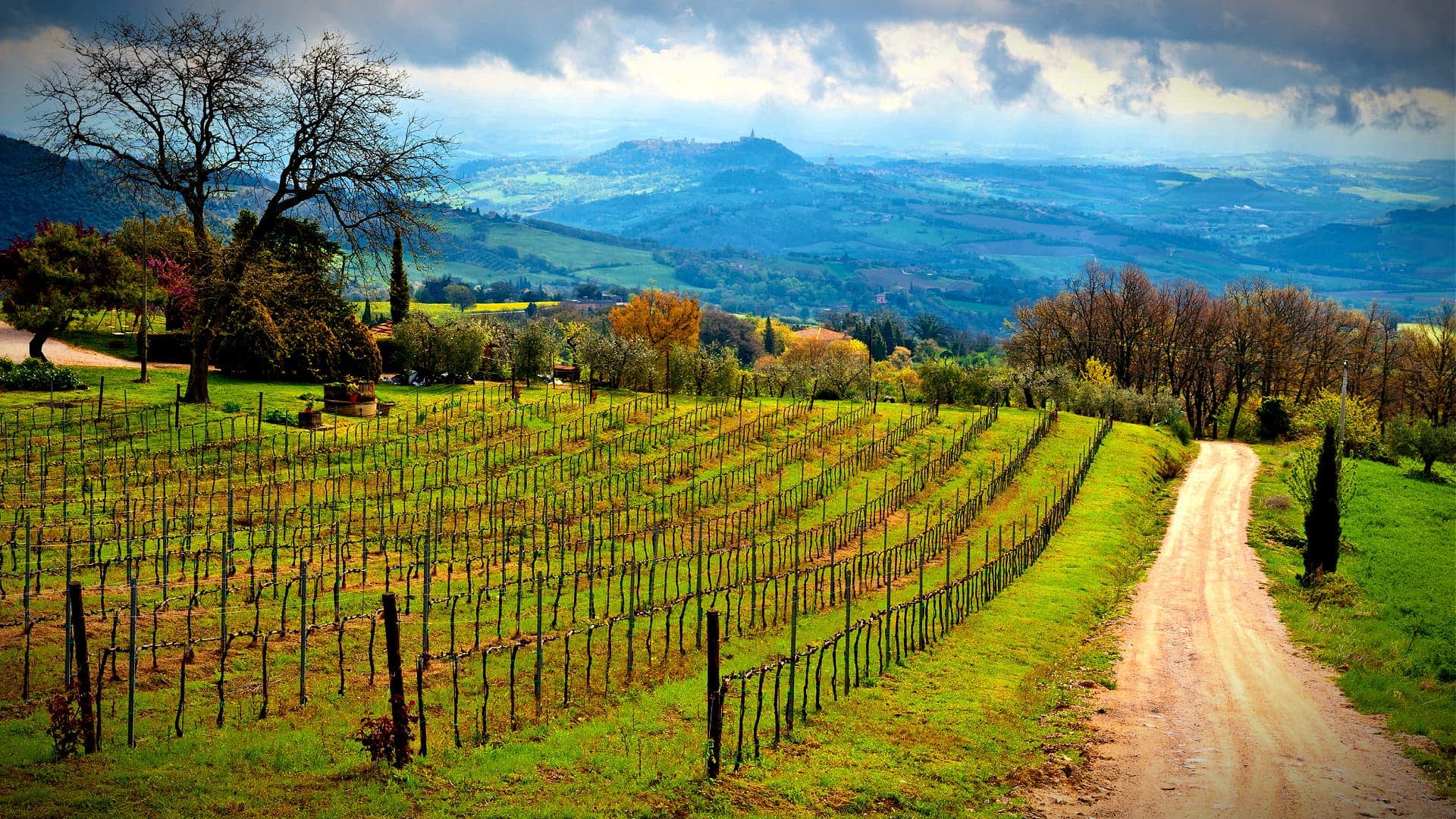

The Bank of the Land initiative in Italy offers young farmers special financing to purchase thousands of hectares of land, with a focus on arable land, pasture, and various orchards. The initiative aims to address the generational turnover problem in Italian agriculture, providing opportunities for new farmers to purchase land and establish new farms.
Italian farmers can buy thousands of hectares of land throughout Italy due to a new Bank of the Land initiative.
The initiative has been coordinated by the Institute of Services for the Agricultural and Food Market (Ismea), which offers special financing to interested parties younger than 41 years of age in an effort to provide opportunities to a new generation of farmers.
The availability of sufficient capital is the biggest obstacle to launching a farming company, even more for those younger farmers who do not have a farming family history.
Half of the 19,800 hectares put on sale by the bank is arable land, 22 percent is pasture, and the remainder comprises forest, citrus groves, vineyards and fruit orchards.
Dozens of olive groves are also on sale. Most of the 827 potential new farms are located in Sicily (33 percent) and Puglia (9 percent). Meanwhile, 11 percent of the available land is located In Tuscany.
See Also:Restoring Abandoned Olive Trees at Leonardo da Vinci’s HomeInterested parties may go online and view all available lands, their agronomic characteristics and see what crops may be grown there. Purchase proposals may also be made on the website. Young farmers will be able to pay for the land in periodic installments for up to 30 years.
Ismea explained that 403 of the 827 lots are on sale for the first time. The others were put up for sale in previous years and may now be purchased with discounts of up to 25 and 35 percent.
“Like most European Union countries, Italy is experiencing a generational turnover problem in the countryside,” Giorgio Venceslai, head of the office for services to enterprises in Ismea, told Olive Oil Times.
According to Eurostat data, most Italian farmers are close to retirement. In Europe, 34 percent of farmers are nearing the retirement age. Meanwhile, Venceslai said only 11 percent of European farmers are under 40.
“In many cases, no family succession is foreseeable,” Venceslai said. “The number of younger farmers that enter the agricultural sector has risen in the last few years, but still appears insufficient to replace the older generations.”
When it comes to olive farms, the latest Ismea data show that less than five percent of specialized olive farms in Italy are managed by growers under the age of 40. The figure rises to eight percent in the broader agricultural sector.
According to the aging index used by Ismea, for every young olive farmer in Italy, there are 11 over the age of 65. A large portion of the land being sold in the new initiative has owners who have already retired and are not actively managing them.
Looking at the whole Italian agriculture sector, Ismea said young farmers run less than eight percent of all farming companies.
“One of the most relevant hurdles in accessing this market is financing land purchases,” Venceslai said. “Italy is one of the European countries with the highest purchase and rent prices for farming lands.
“Ismea’s Bank of the Land aims to help the younger generation overcome those hurdles, allowing them to buy the land in installments for 100 percent of the total value of the lot,” he added. “It also aims at gathering economic resources which Ismea will use to offer them favorable concessions.”
Agricultural associations welcomed the new initiative in many Italian regions.
“The availability of sufficient capital is the biggest obstacle to launching a farming company, even more for those younger farmers who do not have a farming family history,” said Fabrizio Filippi, president of Coldiretti Tuscany.
“Starting from nothing, without farming land, makes it even more difficult,” he added. “With the new Ismea initiative, 43 new farms could be established in our region.”
Coldiretti Puglia said innovation and the ability to expand are common traits for farms run by younger farmers.
According to the association, the total income of those farms is 75 percent higher than average, and they also tend to have 50 percent more employees. The dimensions of their farms are also 54 percent larger than average.
Benedetta Liberace, head of Young Coldiretti Enterprise in Puglia, said the new Ismea initiative “is an opportunity” since the price for farming land in the region is “on levels even higher than those in Germany or France.”
Liberace noted how one hectare of an olive grove in the region is now sold for €20,000 to €25,000.
When the previous edition of the Bank of the Land initiative was launched, Filippo Gallinella, president of the agricultural committee of the Chamber of Deputies, said, “a new generation of farmers is absolutely needed by Italian agriculture.”
“We need them to reduce the waste of too many uncultivated acres scattered throughout the country,” he added. “We also need them to revitalize the socio-economic fabric of many rural areas that in few decades risk the depopulation.”
In the last few years, the Bank of Land made it possible to sell more than 13,000 hectares for 349 projects. This year purchase proposals will be accepted until June 5.
Related Articles

Apr. 14, 2025
Olive Oil Industry Pushes for Tariff Exemption at D.C. Event
The North American Olive Oil Association lobbied for a tariff exemption, emphasizing olive oil's unique health benefits.
Dec. 19, 2024
Panettone Gets a Healthy Upgrade
The beloved Christmas cake is attracting new fans in Italy thanks to a change to its traditional ingredients.
Jun. 23, 2025
Olive Oil a Leading Focus in Italy’s Crackdown on Food Fraud
Italy's food fraud prevention efforts last year focused on olive oil, with over 8,200 inspections and 23% of samples showing irregularities, leading to seizures and criminal reports.
Nov. 4, 2025
Chiarentana: How One Tuscan Estate Shaped Val d’Orcia
Once a refuge during wartime, Chiarentana today produces award-winning olive oils and welcomes visitors to experience the peaceful heart of Val d’Orcia, a UNESCO World Heritage Site.
May. 20, 2025
USDA Predicts Global Olive Oil Production Decline
While United States Department of Agriculture economists forecast a lower harvest in 2025/26, producers across the Mediterranean say conditions in the groves are promising.
Jul. 25, 2025
EU Commission Proposes Budget Cuts and Changes to Agricultural Policy
The European Commission's proposed changes have sparked backlash from farmers.

Jul. 17, 2025
Western Europe Scorched by Unprecedented June Heatwave
Record June temperatures swept Western Europe, bringing extreme heat stress to key olive oil-producing areas.
Sep. 20, 2025
New Biopesticides Prove Effective at Mitigating Symptoms of Xylella
Three new biopesticides targeting Xylella fastidiosa developed by Biovexo may soon be available, offering hope in curbing the epidemic.