



 5.2K reads
Producer Profiles
Leading Tunisian Bulk Olive Oil Exporter Pivots to Adding Value
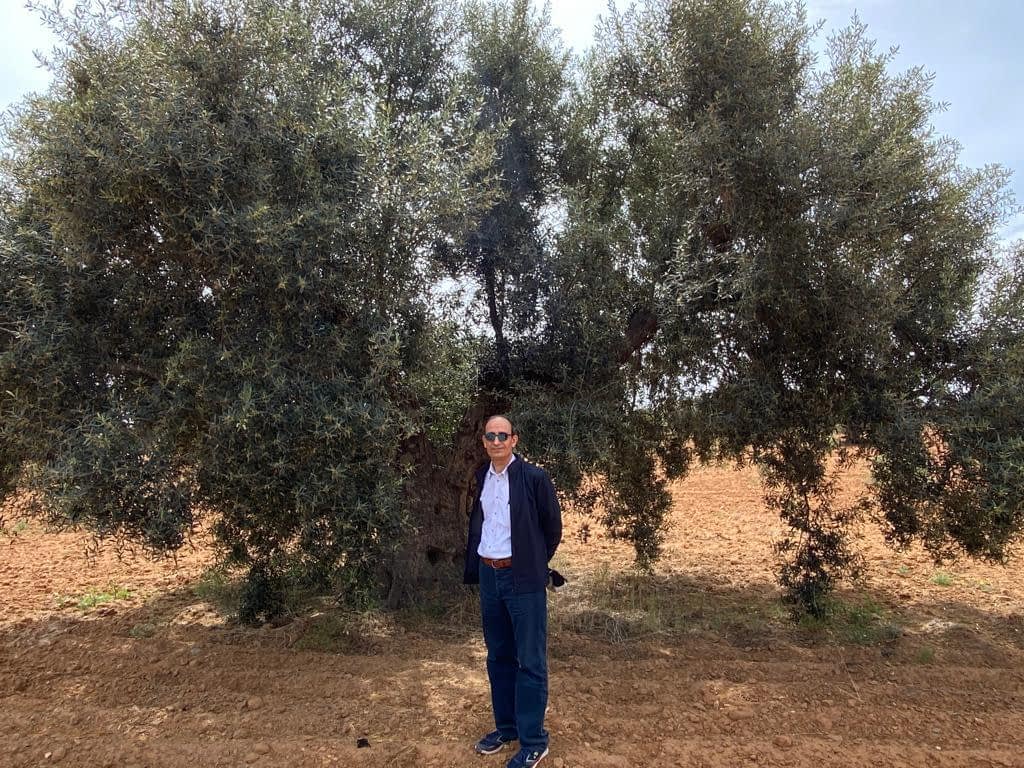

The company Bulla Regia in Tunisia aims to promote the exceptional quality and heritage of Tunisian olive oil, despite facing challenges such as drought. The company has taken measures to adapt to the drought and maintain high-quality standards, earning recognition and awards for their efforts.
Despite overt references to the past, the people behind Bulla Regia are looking to the future of Tunisian olive oil exports.
Bulla Regia is the Roman name of a historic city in northwest Tunisia, which flourished thanks to its agricultural production and exports, including olives.
The Middle East region holds immense potential for the consumption of olive oil, and we believe there are great opportunities for growth and market penetration.
“The inspiration behind starting Bulla Regia stemmed from our position as a leader in the export of Tunisian olive oil in bulk,” Hédi Belkhodja, Bulla Regia’s general manager, told Olive Oil Times.
“Recognizing the potential to create added value and emphasize the origin of our product, we decided to launch Bulla Regia as a brand that showcases the exceptional quality and heritage of Tunisian olive oil,” he added.
See Also:Producer ProfilesThe company takes advantage of the region’s long history of olive growing. Belkhodja said generations of skilled olive growers have carefully tended to the ancient olive trees, passing down time-honed techniques.
“From the land to the mill and now to the bottling, each generation has accumulated know-how and has passed it on to the next generation to better advance in this field,” he said. “Our last step was the creation of our factory and packaging brand Bulla Regia in 2016.”
The company said it exports about 20,000 tons of olive oil annually, mostly to European customers.
Still, Belkhodja said one of the company’s main challenges was distinguishing its product on the crowded international marketplace and reversing the long-held paradigm of Tunisia as a bulk olive oil exporter.

Hédi Belkhodja
“One of the most significant challenges was establishing and promoting Tunisian origin as a distinguishing factor in the global olive oil market,” he said. “Another challenge was meeting the requirements of mass distribution, which required careful planning and investment in infrastructure and operational capabilities.”
From its start in 2016, Belkhodja said Bulla Regia had come a long way and made significant strides in various aspects of its business. “We have invested in enhancing the efficiency of our production processes and improving the quality of our infrastructure,” he said.
Along with traditional European markets, Belkhodja said the company is quickly expanding into emerging olive oil markets in Asia.
“We have successfully diversified our market presence and cultivated customer loyalty, allowing us to reach a broader customer base in the United States, European Union, Qatar, Kenya, Nicaragua, Japan and the United Kingdom,” he said.
“We are pleased with our progress but remain ambitious to increase export volumes, expand operations, improve distribution networks and explore new market opportunities,” Belkhodja added. “The Middle East region holds immense potential for the consumption of olive oil, and we believe there are great opportunities for growth and market penetration.”
Like many other olive producing-countries across the Mediterranean, Tunisia has faced a severe drought threatening its mostly rainfed groves.
“The scarcity of water due to the drought has affected the olive trees’ growth and productivity, resulting in a decrease in olive oil production,” he said. “Moreover, the impact of the drought on the quality of olives and olive oil cannot be ignored. The stress caused by water scarcity can affect the overall flavor and characteristics of the extra virgin olive oil.”
Bulla Regia was no exception to the adverse effects of the drought. “The drought has affected our business, both in terms of demand, price and, more importantly, quality of Tunisian olive oil on the international market,” he said.
The company has taken measures to adapt to the drought and mitigate some of its adverse impacts on its olive oil production.
“Bulla Regia adheres to sustainable and organic farming practices, which promote soil health and natural water retention capabilities,” Belkhodja said. “These practices include composting, crop rotation and minimal use of chemical inputs. By fostering a healthy ecosystem within our olive groves, we enhance the resilience of our trees in the face of water scarcity.”
Despite the challenges posed by drought, Bulla Regia said it remains committed to maintaining the highest quality standards. The company earned a Silver Award at the 2023 NYIOOC World Olive Oil Competition.
“It was a proud recognition of our hard work, dedication, and commitment to producing high-quality extra virgin olive oil,” Belkhodja said. “These awards hold significant meaning for our business. They serve as a powerful endorsement of the quality and excellence of our product. It helps differentiate Bulla Regia from competitors, enhancing our brand reputation and credibility.”
“Winning awards provides a compelling marketing story that can be leveraged in advertising campaigns, promotional materials and online platforms, further enhancing brand visibility and reach,” he added.
“This recognition can attract new customers who value premium products and are willing to pay a premium price,” Belkhodja continued. “It is our hope that these awards will strengthen our position as a top-quality producer, attract new customers and grow our business.”
In the 2022/23 crop year, Tunisia produced 180,000 tons of olive oil, well below the five-year average of 228,000 tons but higher than recent ‘off-years’ in the natural alternate bearing cycle of the olive tree.
However, the United States Department of Agriculture predicts production will rebound to 250,000 tons in 2023/24. Based on his observations, Belkhodja agrees that reaching the USDA estimate would be possible.
“Fortunately, this time, it rained at crucial times, which helped to improve the situation,” he said. “Under the right conditions, I actually think it is possible to reach 250,000 tons as predicted by the USDA. In normal conditions, it should be closer to 200,000 to 220,000 tons.”
Related Articles

Sep. 26, 2025
Crafting Award-Winning Olive Oil in the Shadow of Mount Fuji
Hundreds of kilometers away from Japan’s central olive-growing hub, one producer has braved the elements to produce unique extra virgin olive oil.

Aug. 5, 2025
EU Accepts 15% Tariffs on Olive Oil Exports to U.S.
Europe agreed to accept 15 percent tariffs on table olives and olive oil in a trade deal with the U.S., causing concern and backlash from stakeholders.

Mar. 4, 2025
World Olive Oil Competition 2025 Live Updates
The world’s most prestigious olive oil quality contest is revealing award winners in the Northern Hemisphere division. We are following the results live.

Sep. 5, 2025
NYIOOC 2025 Southern Hemisphere Edition Live Updates
Judging is underway at the 2025 NYIOOC World Olive Oil Competition Southern Hemisphere Edition, with results to be released in real time as they are certified.

Jul. 1, 2025
Torres Family Expands Legacy With Award-Winning Results
Since the fifth-generation winemakers began crafting extra virgin olive oil from centuries-old trees, their commitment to quality has been consistently recognized with numerous awards.

Nov. 4, 2025
Willow Creek’s Cooperative Approach Brings Stability to Olive Growers
Inspired by models in Europe and Chile, Willow Creek’s Guild of Groves brings 35 South African olive growers together to share resources, reduce costs, and boost quality.
Aug. 11, 2025
Greece Pushes to Shield Two Iconic Agrifood Exports from 15% Tariff
Greece is seeking to shield key agrifood exports, including olive oil, table olives, feta and yogurt, from the new 15-percent U.S. import tariff, warning the levy could burden one of its most valuable trade relationships.

Jul. 25, 2025
Economy Minister Warns Spain’s Olive Oil Exports Vulnerable to U.S. Tariffs
With U.S. tariffs on imports from Europe expected to rise to 15 percent, new data suggests some producers are frontloading exports.