



As U.S. Firms Back Off Climate Targets, Olive Oil Companies Stay the Course
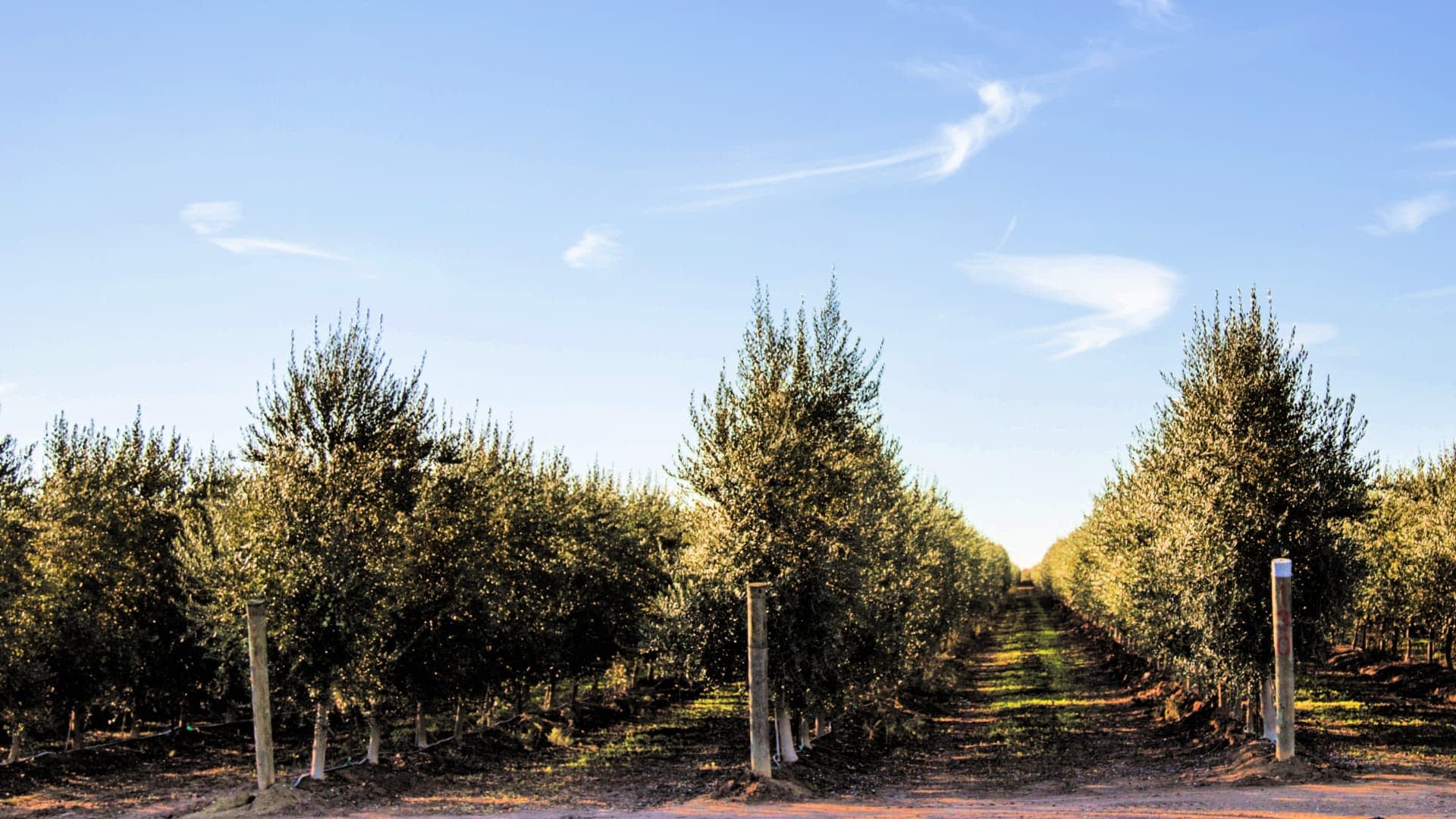

Since President Trump’s re-election, U.S. multinationals have removed climate change references and rolled back net-zero targets, with Walmart downplaying its previous commitment. However, companies like Pompeian and California Olive Ranch have maintained their sustainability commitments, with COR focusing on regenerative farming practices to reduce emissions and improve biodiversity.
Since President Donald J. Trump’s re-election in November, United States-based multinationals have removed references to climate change and sustainability from their websites and rolled back net-zero targets.
According to an analysis by the Financial Times, Walmart, one of the largest olive oil retailers in the U.S., removed a section from its website where the company said it was “deeply committed to addressing climate change.”
Before it was revised in December, Walmart called climate change “one of the greatest challenges of our time.”
See Also:Experts Detail Sustainable Agriculture Practices for Hotter, Drier WorldNow, the company downplays mention of climate change but continues to say it is “focused on reducing emissions in our operations [and] engaging suppliers to reduce emissions in supply chains.”
Apple, Kraft Heinz, American Airlines, Meta, Ford and Coca-Cola are among the other U.S.-based companies to follow suit alongside Swiss multinational Nestlé.
The speed with which companies have sought to downplay their climate commitments contrasts starkly with the first Trump administration.
After Trump pulled the U.S. out of the Paris Climate Accords for the first time, Walmart was one of more than 4,000 businesses that joined the America Is Still In coalition. The coalition’s members committed to reducing U.S. emissions by 50 percent from 2005 levels by 2030.
The coalition sought to reconfirm its members’ commitment after the new Trump administration pulled out of the Paris Climate Accords again. Walmart was among the companies that did not re-commit to the effort.
However, other United States-based olive oil bottlers and producers have not wavered in climate change or sustainability commitments.
In February, Baltimore-based olive oil bottler and retailer Pompeian, another America Is Still In coalition signatory, announced its products would bear The Carbon Trust verification label.
“At Pompeian, we’re working to reduce our carbon emissions and to communicate our sustainability credentials transparently,” the company wrote on LinkedIn. “By participating in the Carbon Trust program, we reaffirm our commitment to environmental stewardship and sustainability, and how we implement sustainable practices at every stage of our olive oil production.”
California Olive Ranch, the U.S.’s largest olive oil producer and an America Is Still In member, has also advanced its sustainability initiatives.
The company recently announced it would be the first U.S. producer to label its products with the A Greener World sustainability certification.
“ For us, it was really about the land and the farming,” said Mary Mori, COR’s vice president of quality and product. “We wanted to go beyond just a sustainable certification and be regenerative.”
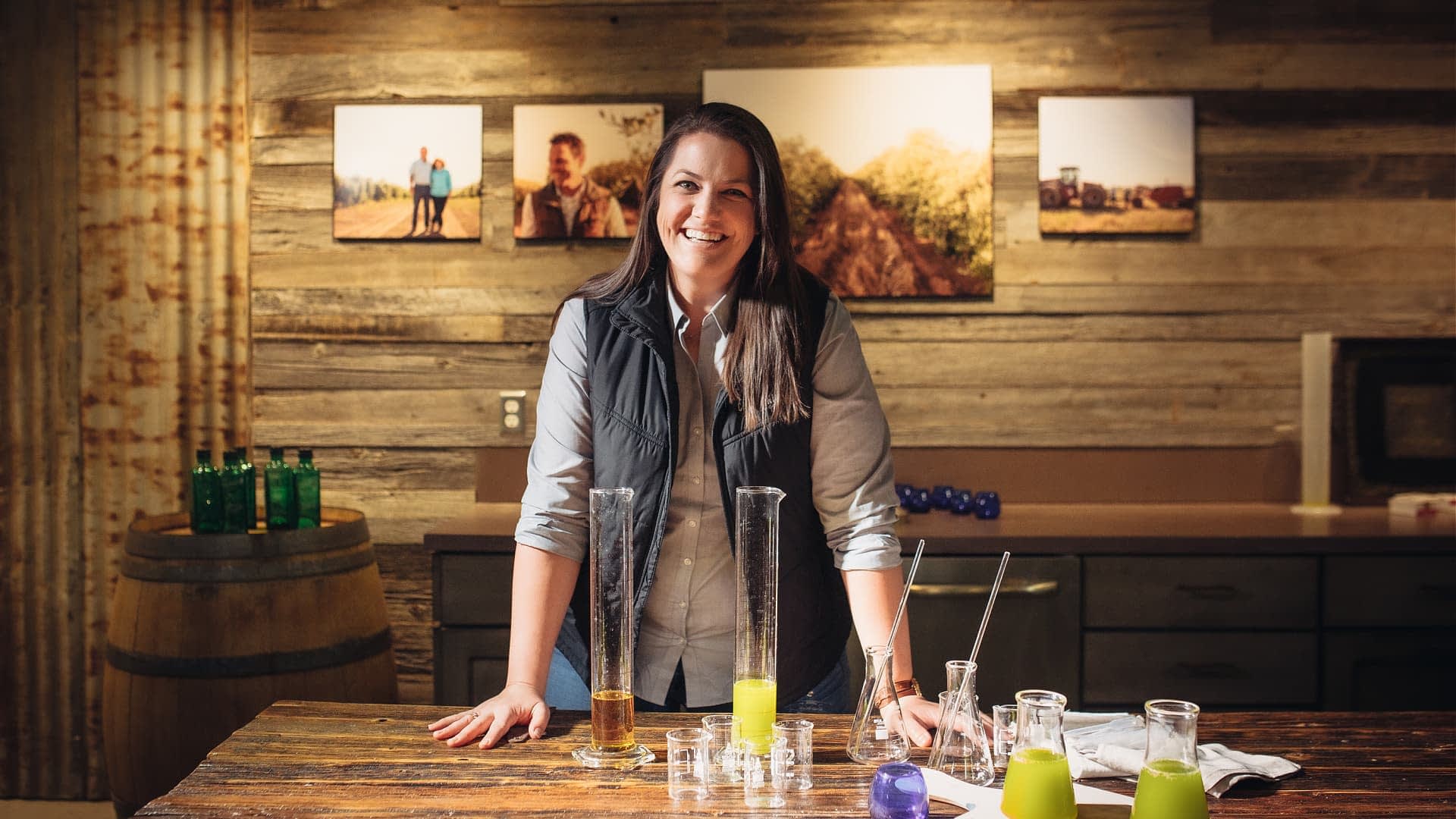
Mary Mori, COR’s vice president of quality and product (Photo: California Olive Ranch)
She told Olive Oil Times that COR selected AGW from various sustainability certification firms because it aligned with the company’s goals and permits non-organic farming practices.
Mori said COR has followed regenerative farming practices for the past four years. However, conforming with the AGW certification has caused them to focus on reimplementing biodiversity in their groves and shifting to sustainable power and fuels.
According to its 2024 impact report, COR started planting 11 miles (17 kilometers) of hedgerows with native shrubs and trees to help improve biodiversity and sequester an additional 115 metric tons of carbon dioxide greenhouse gas equivalent (CO2e).
Overall, the company said it sequestered 1.3 kilograms of CO2e more than it emitted for each liter of olive oil produced.
While Mori is unsure what economic impact the certification will have on the company’s olive oil sales, she anticipated that regenerative farming would lower some production costs in the long term, including reducing the reliance on fertilizers and phytosanitary products.
“Our big focus has been more on just doing the right thing for the soil, and eventually, you’re spending less because you’re giving back to the ground what it needs,” Mori said.
COR’s impact report highlighted how following regenerative practices, including grazing 3,000 sheep in the groves, applying more than eight million pounds (3.6 million kilograms) of compost annually and planting cover crops across its groves allowed the company to reduce synthetic fertilizer use by seven percent in 2023.
“We are going be working with our grower partners to get them certified over the next few years and using our template of what we’ve done,” Mori added.
The more significant challenge will be converting the company’s harvesters and tractors to electric vehicles and installing more solar power for its olive oil mill to meet the green energy requirements. Already, COR said one-third of its mill’s energy requirements are met with solar energy.
Mori said that COR will continue to improve sustainability through its precision agriculture programs, which include using satellites to collect data from the olive groves.
The company is currently involved in two separate research programs to collect data from its olive groves, which it will later use to make agronomic and harvesting decisions on a block-by-block basis.
”Using technology to help you make smarter, quicker and cheaper decisions is the push, especially as the costs of farming keep going up,” Mori said.
Related Articles

May. 31, 2025
37 Complete Olive Oil Times Sommelier Program in New York
Thirty-seven professionals completed the five-day Olive Oil Times Sommelier Certification Course in Manhattan, mastering sensory analysis, production best practices, health benefits, and more.

Oct. 15, 2025
Sustainability Takes Root in the Hills Above Florence
Fattoria Poggio di Fiesole, a Tuscan estate with a rich history and dedication to sustainability, produces an award-winning organic olive oil.

Dec. 1, 2025
Lebanon’s Growers Struggle as Conflict, Climate Pressures Deepen
Lebanon’s 2025/2026 olive harvest is unfolding under extreme strain, with drought, soaring costs and persistent military tensions in the south driving yields sharply lower. Farmers describe a season marked by insecurity, water scarcity and rapidly rising prices.
Aug. 5, 2025
Debate Over Solar Plant Construction in Andalusian Olive Groves Intensifies
Solar developers and regional authorities insist the the mega-plants are necessary to help Spain meet its ambitious renewable energy goals. Olive farmers disagree.

Apr. 14, 2025
Olive Oil Industry Pushes for Tariff Exemption at D.C. Event
The North American Olive Oil Association lobbied for a tariff exemption, emphasizing olive oil's unique health benefits.
Sep. 14, 2025
Record-Breaking Wildfires Scorch Europe in 2025
Two-thirds of the wildfire-inflicted damage came in Spain and Portugal, which combined to produce nearly half of the world’s olive oil in the 2024/25 crop year.
Jul. 8, 2025
International Workshop Addresses Climate Change Threats to Olive Trees
International Olive Council and partners gathered in Italy to strengthen collaboration in olive genetics, facing climate change and pathogens.

Feb. 11, 2025
Olive Oil-Based Films May Soon Replace Plastic Food Packaging
Researchers in Turkey have developed biodegradable oleofilms, which can prolong the shelf life of perishable foods by slowing oxidation.